S. Rajendu Ph.D.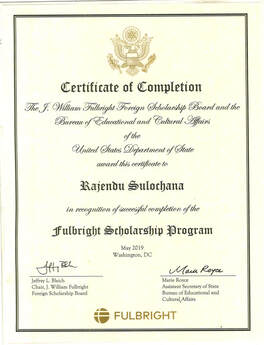
Birth year : 1972
Place of Birth: Adakkaputhur, India Now living at: Cherpalcheri, India Work: Former Curator, University of Calicut Career: Researcher in Epigraphy Wikipedia: എസ്._രാജേന്ദു ProfessionFormer Curator, The University of Calicut
|
InterestsHistory,
and Epigraphy My teacher Ph.D. Guide Fulbright at UT-Austin Winter School Classical Tamil Winter School, EFEO, Puducherry with Prof. Eva Wickel 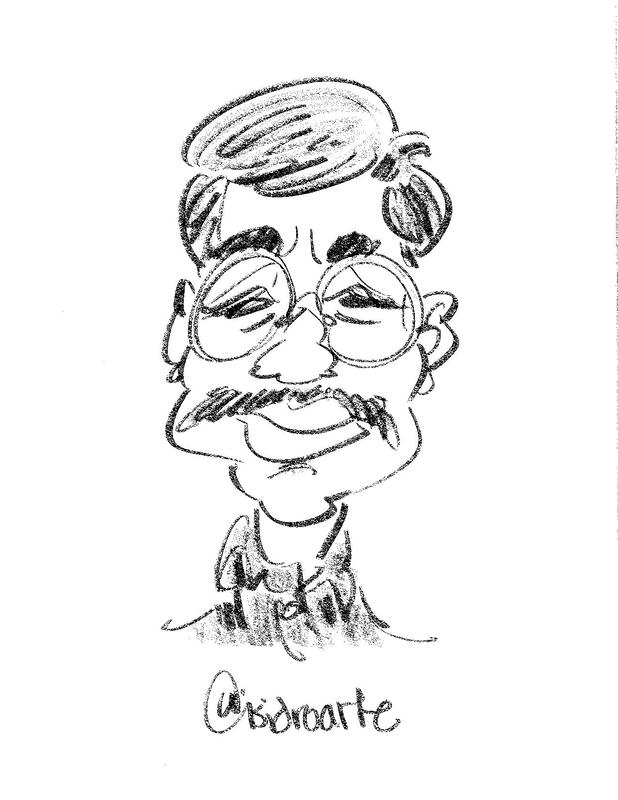
|
Education
Fulbright-Nehru Fellow in Epigraphy at the University of Texas at Austin, U.S.A.
Pre-academic orientation program at the University of Arkansas, Fayetteville, U.S.A.
Ph.D. in Epigraphy at Tamil University, Thanjavur
M.A. History
Master of Computer Applications (M.C.A.)
Attended Epigraphy courses
at I.C.H.R., Delhi under Prof. Michel Danino (Indian & South Asian Epigraphy)
at Tamil University, Thanjavur under Prof. Appasamy Murugayyan (Tamil Epigraphy)
at Farooq College, Calicut under Prof. M.R. Raghava Variyar (Kerala Epigraphy)
at Jnana Pravaha, Banaras under Prof. Susmita Basu Majumdar (Indian Epigraphy)
at Viswabharati-Santiniketan under Prof. Jagat Ram Bhattacharya (Prakrit inscriptions)
at Sringeri Saradapeetham on Kahsmir Inscriptions (Sharada script)
at IMSc, Chennai on Computational Epigraphy
Contact me at

rajendu at gmail dot com
Facebook: s rajendu
Facebook: s rajendu
Most interesting words
"India is the cradle of the human race, the birthplace of human speech, the mother of history, the grandmother of legend, and the great-grandmother of tradition. Our most valuable and most instructive materials in the history of man are treasured up in India only."
- Mark Twain, American author
“A single shelf of a good European library was worth the whole native literature of India and Arabia”
From Thomas Babington Macaulay, “Speech in Parliament on the Government of India Bill, 10 July 1833,” Macaulay, Prose and Poetry, selected by G.M. Young (Cambridge, MA: Harvard University Press, 1957), pp. 716-18
- Mark Twain, American author
“A single shelf of a good European library was worth the whole native literature of India and Arabia”
From Thomas Babington Macaulay, “Speech in Parliament on the Government of India Bill, 10 July 1833,” Macaulay, Prose and Poetry, selected by G.M. Young (Cambridge, MA: Harvard University Press, 1957), pp. 716-18
